RHTP Funding Listening Session
Category: Advocacy
Sep
11
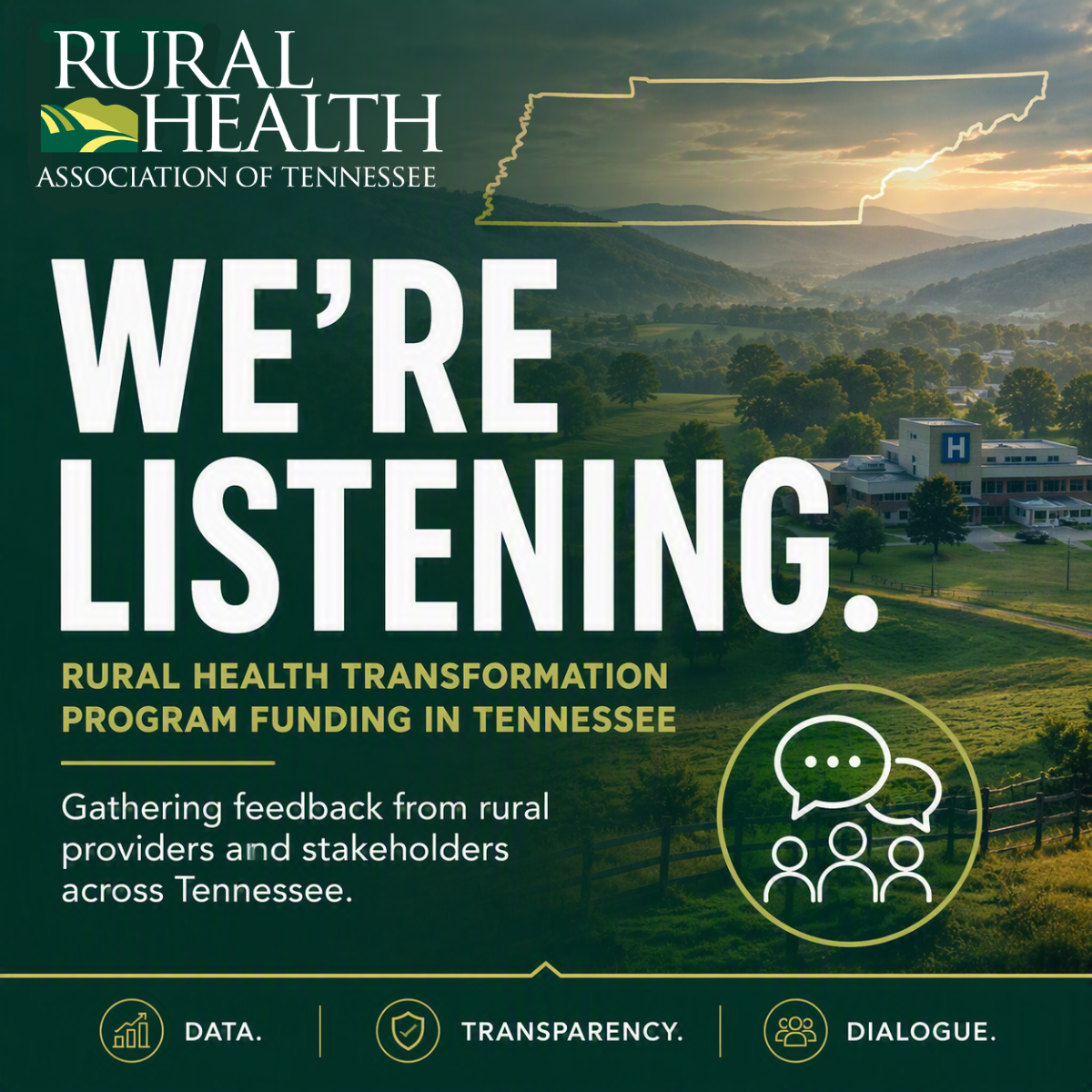 The Rural Health Association of Tennessee has received inquiries from rural healthcare providers, media, and policymakers from across the country regarding Tennessee's implementation of the Rural Health Transformation Program.
We applaud the organizations that submitted successful applications and recognize the hard work that goes into securing competitive funding opportunities. At the same time, our preliminary review indicates that fewer than 30% of the notices of award identified to date have been made directly to hospitals and clinics.
 Like the rest of Tennessee, and millions around the world, the Rural Health Association of Tennessee community is mourning the loss of Dolly Parton, who passed away August 25, 2026.
 March 3rd,
 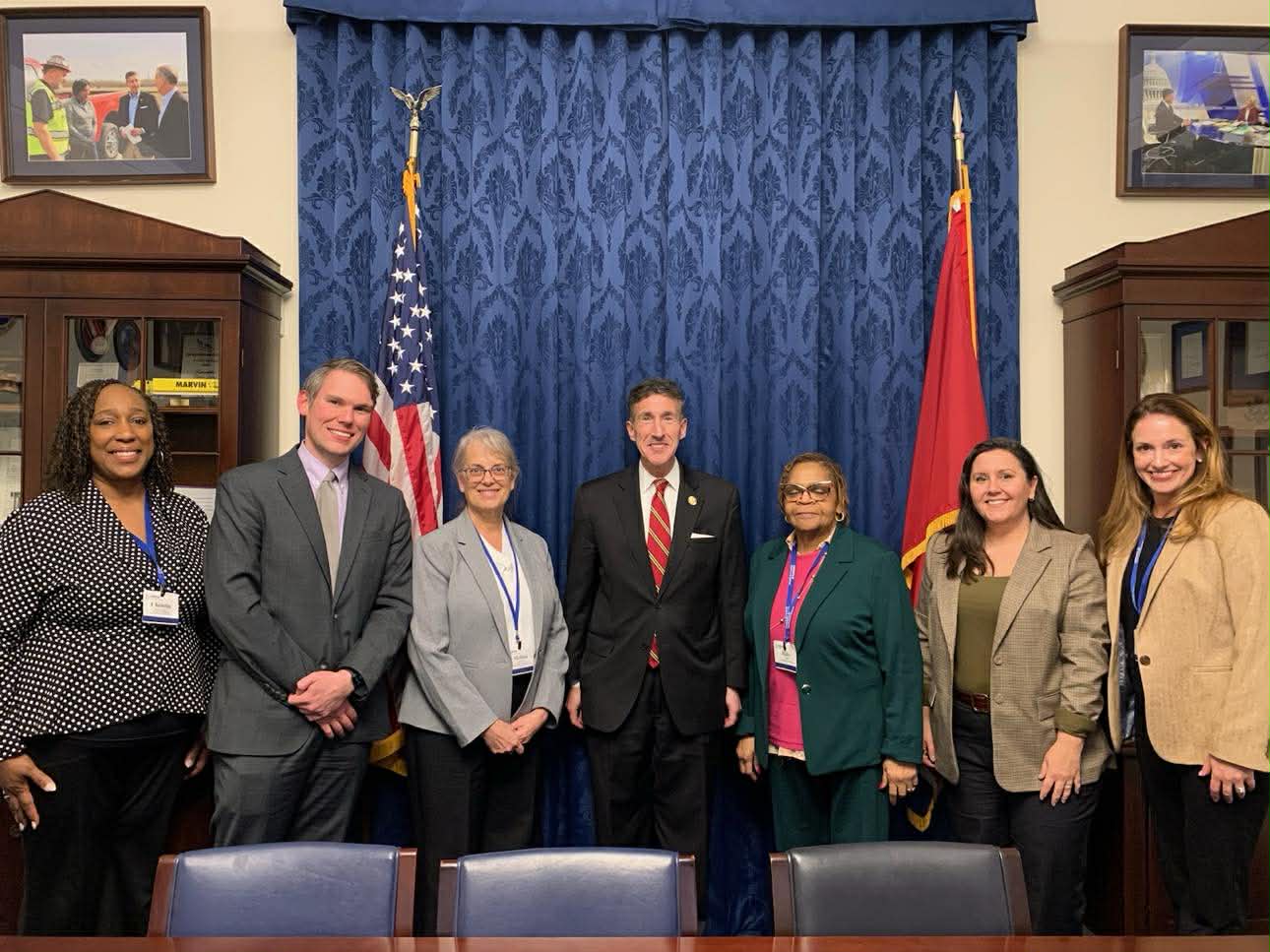 February 12,
 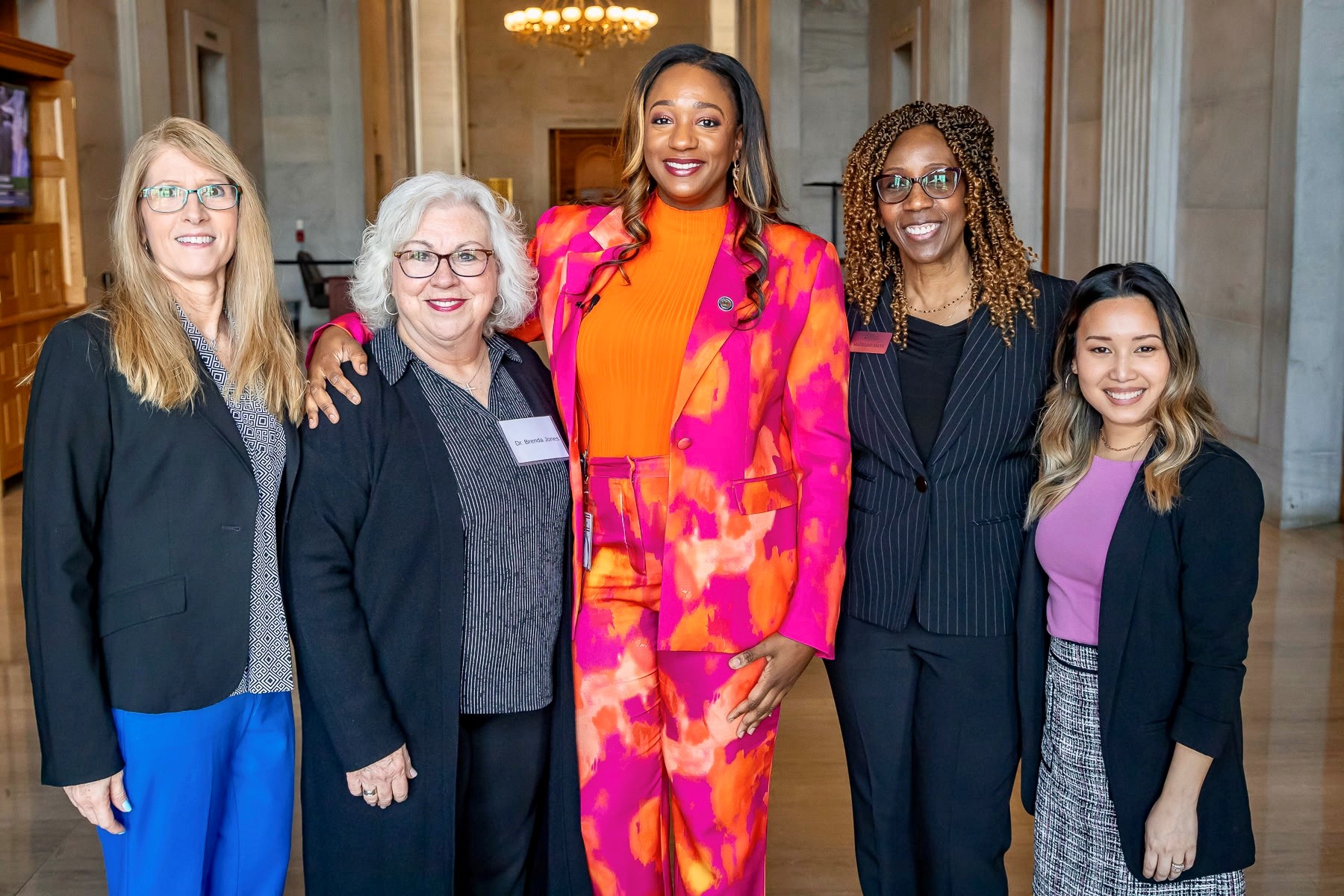 February 10,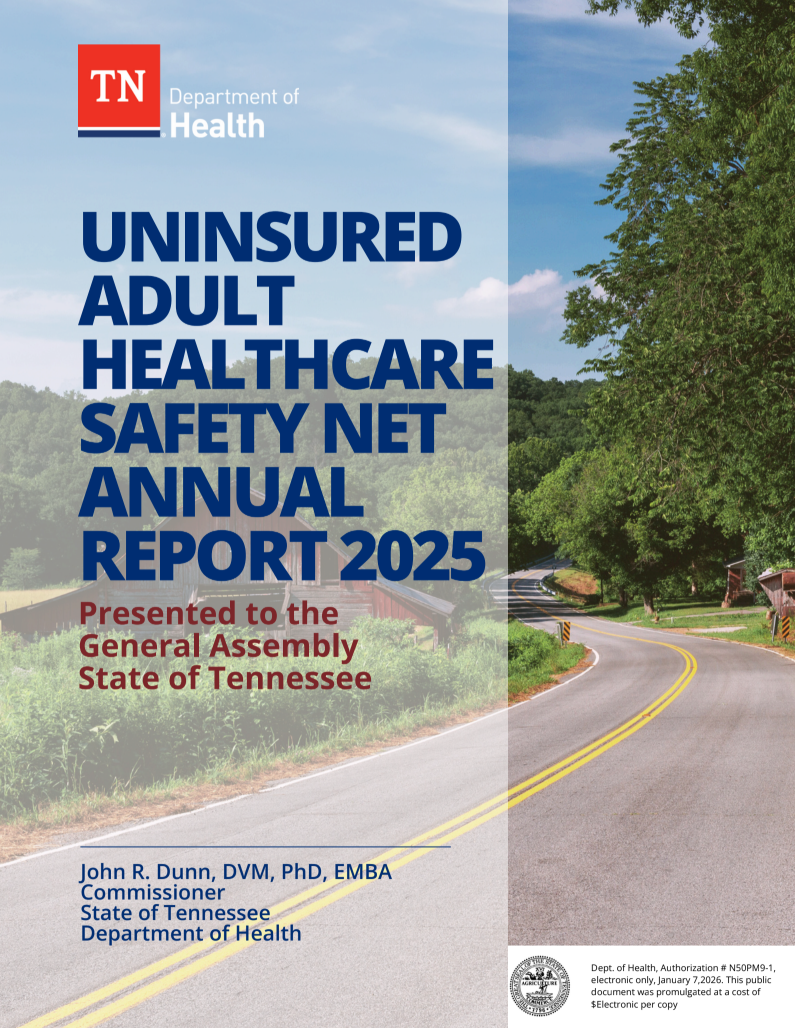
 Rural Americans are more likely to be self-employed or work for small employers that do not offer insurance. More than one third (35.2 percent) of rural adult workers are not offered employer sponsored coverage, compared to 29.1 percent of urban workers. Without access to employer plans, rural residents depend heavily on the Marketplace and the affordability provided by premium tax credits.
 Rural Health Association of Tennessee (RHA) is working hard to ensure that the federal
 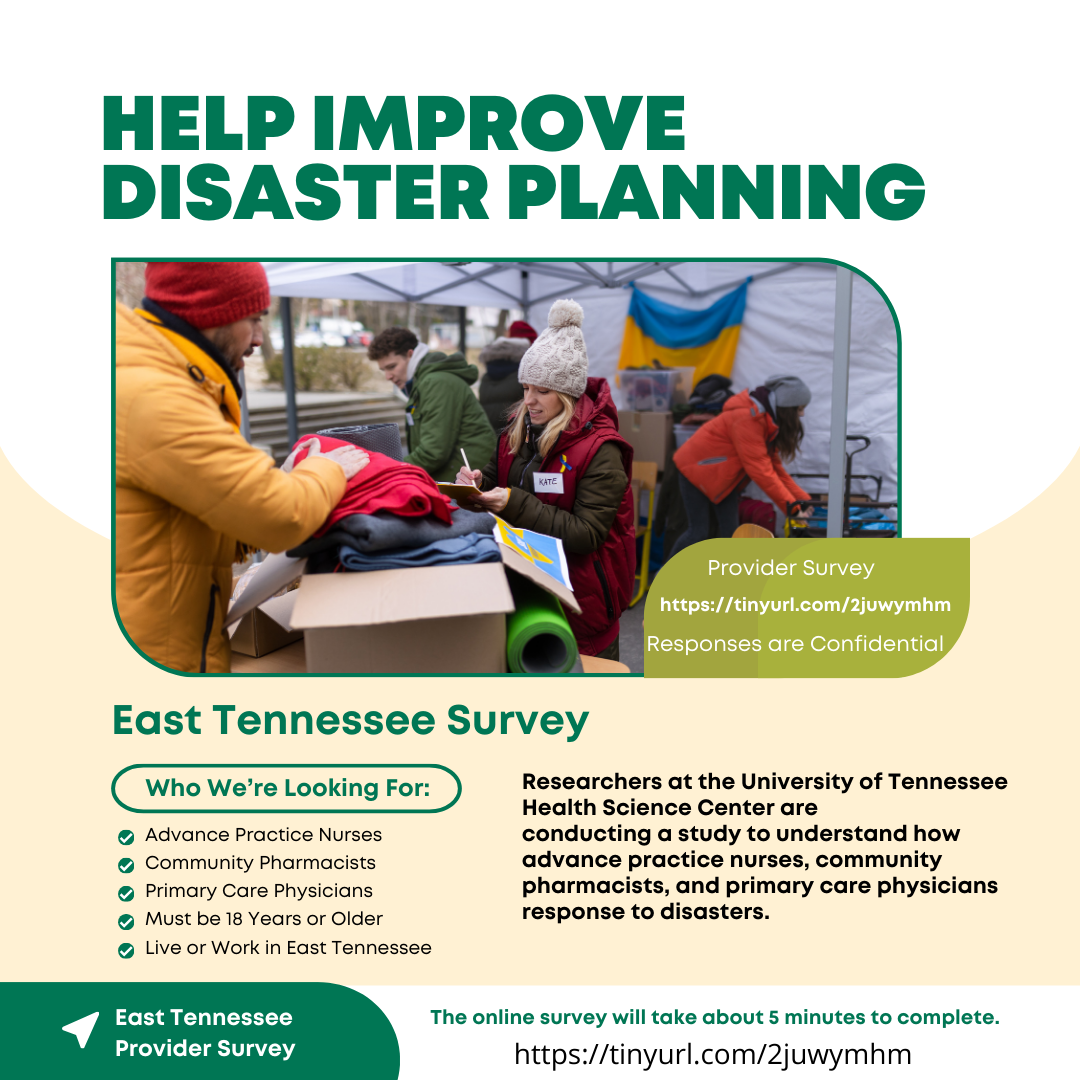 Help improve disaster planning.
 Juvenile Arthritis (JA) refers to a range of autoimmune and inflammatory conditions that can affect children under the age of 16. These diseases cause joint pain, swelling, and stiffness, and can impact a child’s growth and overall development. Unlike adult arthritis, which is often associated with wear and tear of the joints, JA is primarily an autoimmune condition where the body's immune system mistakenly attacks its own tissues. There are several types of juvenile arthritis, including juvenile idiopathic arthritis (JIA), juvenile dermatomyositis, juvenile lupus, and juvenile scleroderma, among others.
 Men's Health Month, observed every June, plays a crucial role in raising awareness about health issues affecting men and boys. This dedicated month serves as a pivotal time to encourage early detection and treatment of diseases more prevalent among men, such as heart disease, cancer, and mental health disorders. The aim is to foster health consciousness and encourage men to adopt healthier lifestyles. By focusing on preventive care and regular check-ups, Men’s Health Month seeks to reduce the gap in health outcomes between genders, given that men, statistically, are less likely to seek medical attention and more likely to suffer from serious health conditions at younger ages.
 Skin Cancer Awareness Month, observed each May, is a crucial campaign aimed at educating the public about the dangers of skin cancer, the most common form of cancer in the United States. This month-long initiative is spearheaded by organizations such as the
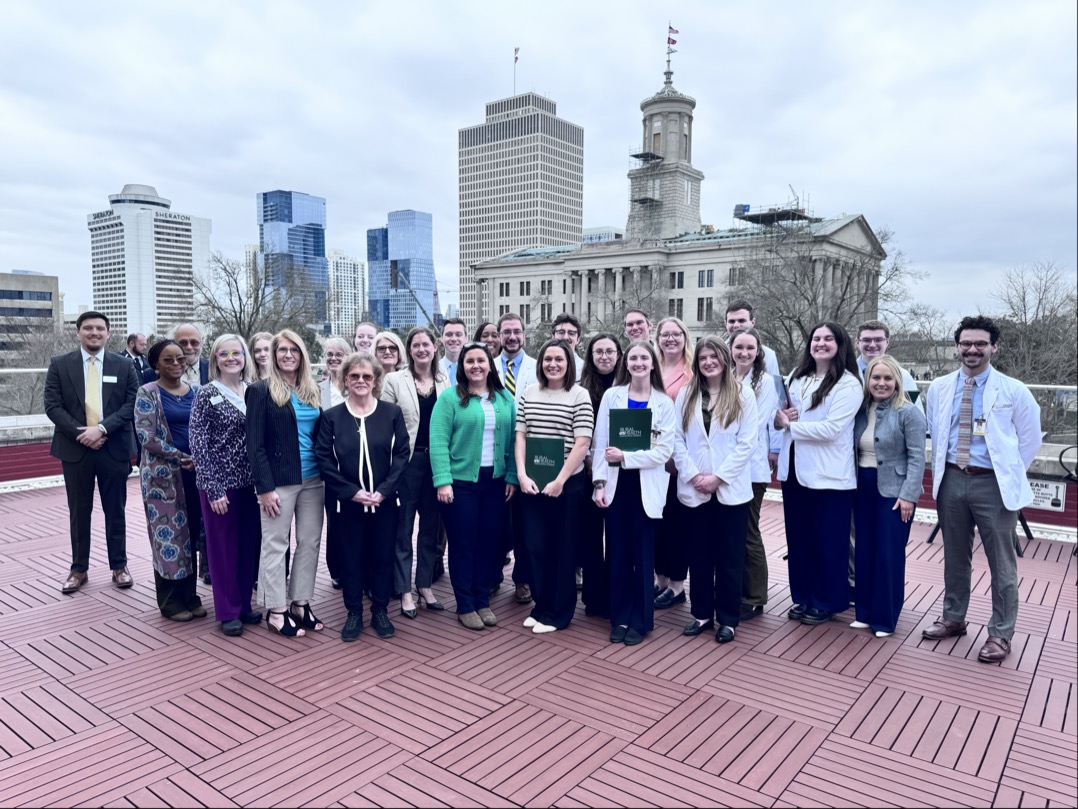
 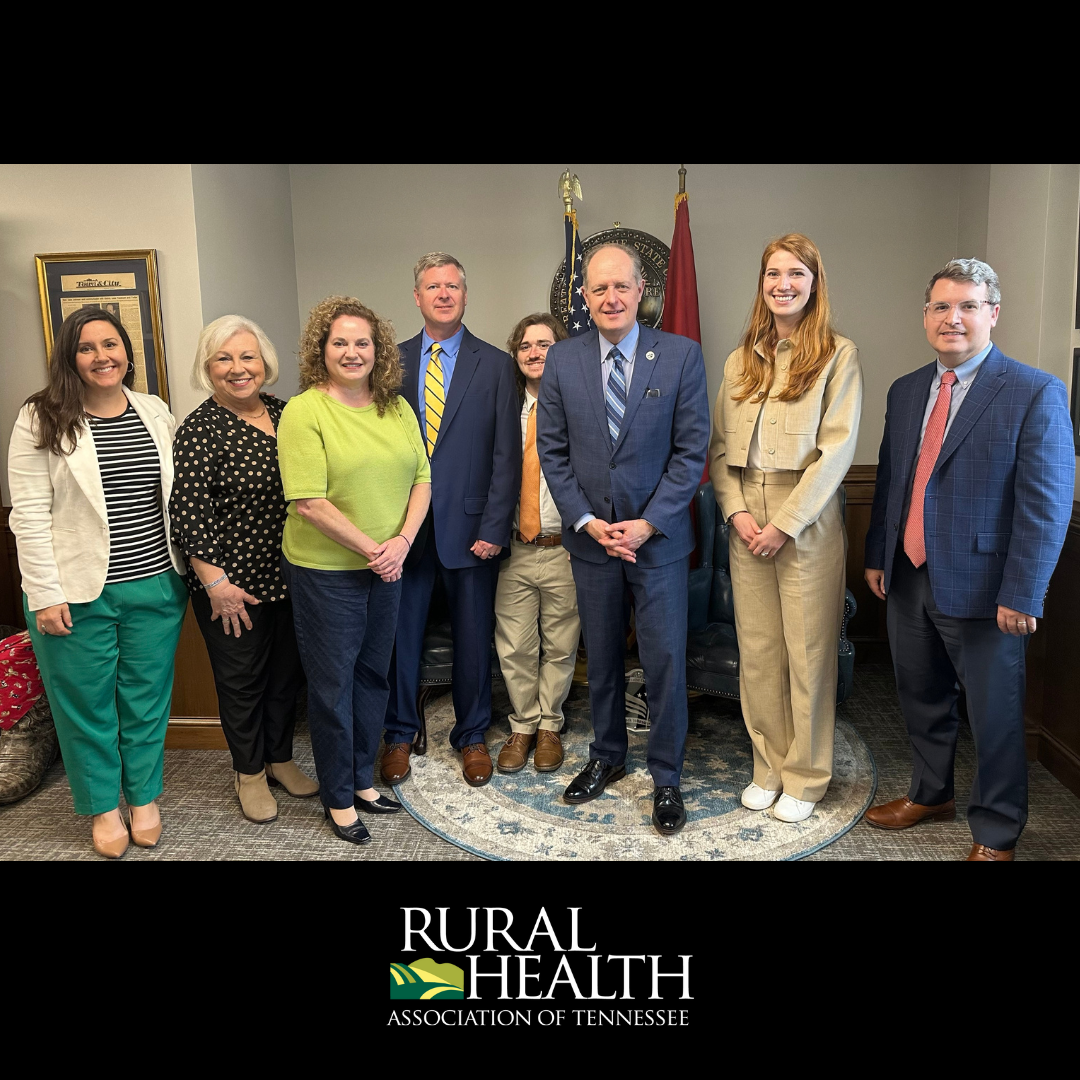 RHA members and staff traveled to Nashville for the Rural Health Association's Day on the Hill March 5th,